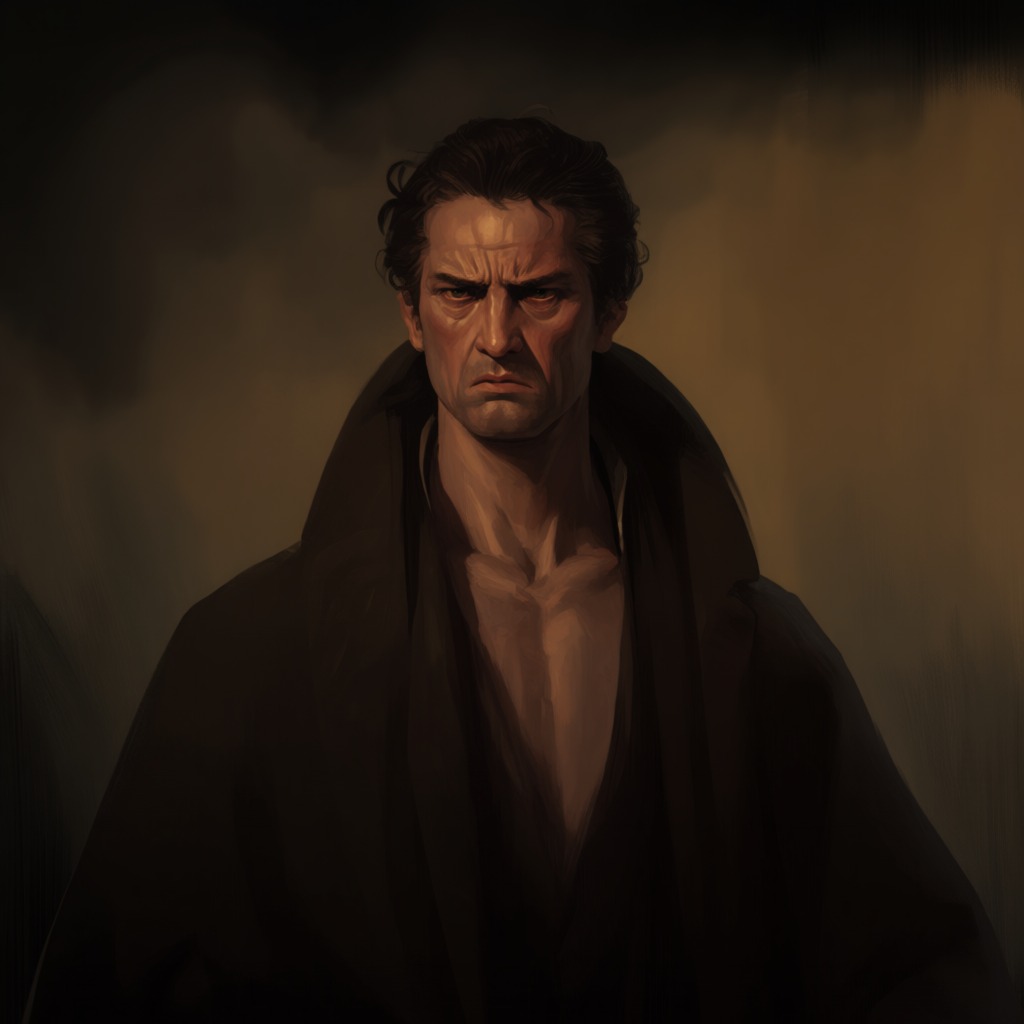
Marc de Champlain
Marc de Champlain is the husband of Rachel de Champlain and the father of Sarah and Ariel de Champlain. A French soldier mobilized at the outbreak of World War II, his departure and imprisonment as a prisoner of war become a central source of anxiety and loss for his family and their closest friend, Vianne Mauriac. Though he never appears in the novel's present action, his fate shapes the emotional landscape of the women left behind and underscores the war's indiscriminate reach into every household in occupied France.
Identity and Background
Marc de Champlain is a Frenchman living in Carriveau, a small town in the Loire Valley. He is married to Rachel, a Jewish woman born in Romania, and they have two children: Sarah and the newborn Ariel. Marc is a friend and neighbor of Antoine and Vianne Mauriac. Before the war, he worked as a postman, a profession that, like Antoine's, seemed far removed from the battlefield. His life is one of ordinary domesticity, marked by the simple routines of family and friendship. He is known to favor a brown felt fedora, a detail that becomes a poignant symbol of his absence when Rachel sees it sitting on a leather valise as he prepares to leave.
Life and Plot Trajectory
Marc's story is told entirely through the experiences of others, primarily his wife Rachel and her best friend Vianne. He is mobilized along with most French men between eighteen and thirty-five in August 1939, leaving his wife and infant son behind. His departure is a wrenching event, and Rachel's fear that her baby will not know his father is a recurring theme. Marc is captured by the Germans and becomes a prisoner of war. Vianne learns of his capture from Captain Wolfgang Beck, the German officer billeted in her home, who provides a list of prisoners from Carriveau. This news devastates Rachel, who had clung to the hope that the armistice would bring her husband home. Marc is eventually killed in Stalag 13A, a prisoner-of-war camp, a fact confirmed after the war by the OSE (Œuvre de Secours aux Enfants) when they come to reclaim his son, Ari.
Relationships and Conflict
Marc's primary relationship is with his wife, Rachel. Their bond is one of deep love and shared history, and his absence creates a void that Rachel struggles to fill. She is left to raise their children alone, facing the escalating dangers of the occupation. Marc's fate is inextricably linked to that of his friend Antoine Mauriac, who is also captured and imprisoned. The two men's parallel fates bind their families together in shared worry and loss. Marc's absence also creates a conflict for Vianne, who feels the weight of her promise to protect his son, a promise that forces her into increasingly dangerous acts of resistance.
Change and Ending
Marc's story ends in tragedy. He is killed in Stalag 13A, a prisoner-of-war camp, never to return to his family. His death is confirmed after the war by the OSE, who inform Vianne that Rachel was deported to Auschwitz and died there as well. The only survivor of the de Champlain family is their son, Ariel, whom Vianne had hidden and raised as her own son, Daniel. Marc's death, like Rachel's, represents the complete destruction of his family by the war. His legacy is carried forward by his son, who is eventually taken by relatives to America, a bittersweet conclusion that underscores the war's power to both shatter and, in small ways, preserve life.
Narrative Role and Evaluation
Marc de Champlain functions as a symbol of the countless ordinary men who were swept up by the war and lost. His absence is a constant, silent presence in the lives of the female characters, driving their fears and their decisions. He is a catalyst for Rachel's desperation and Vianne's moral awakening. His fate, revealed in fragments, serves as a stark reminder of the war's cost, a cost measured not only in lives lost but in the families broken and the futures stolen. He is a figure of pathos, a man whose story is told not through his own actions but through the grief and resilience of the women who loved him.